5 Things to Know Before Buying the Gvacuum Dynamic Lite
What Should You Look For in a Vacuum Bell Device?
Non-surgical treatment of pectus excavatum with the vacuum bell method aims to apply controlled negative pressure to the chest wall to produce a gradual lifting effect over time, an approach that has long been described in the medical literature [1]. One of the first comprehensive clinical descriptions of the method noted that this negative-pressure effect can be considered an alternative or complementary option to surgery in patients whose chest wall is still flexible during the growth years.
The literature's shared emphasis is this: the course of treatment depends not only on the method itself but on choosing the right device and using it consistently; a recent study highlights that compliance is one of the most important factors determining outcomes in vacuum bell therapy [2]. That's why, when evaluating a digitally controlled vacuum bell device like the Gvacuum Dynamic Lite, it matters less what the spec sheet says and more how those features will actually fit your daily life. Below are five things worth knowing before you decide to buy.
1. Make Sure You Know Who the Treatment Is Actually For
The vacuum bell method isn't equally suitable for everyone; it's generally considered a conservative option for mild-to-moderate pectus excavatum while the chest wall is still flexible, typically during the growth years. The first step before buying a device isn't picking a product — it's getting evaluated.
Chest wall flexibility, the depth and extent of the deformity, and whether anything else is involved all vary from person to person, and the literature emphasizes that a treatment plan should be shaped around these individual factors [1]. The right starting point is seeing a specialist directly — depending on the findings, that may be a thoracic surgeon, a pediatric surgeon, an orthopedic specialist, or a physical therapist. Not skipping that conversation before buying makes it easier to set realistic expectations and build the right usage plan.
2. Set Your Expectations for Daily Use and Commitment
One of the biggest factors in vacuum bell outcomes is that the device isn't a one-time fix — it calls for a consistent routine over weeks and months, and current literature specifically highlights that compliance is directly tied to results [2]. So the real question before buying isn't what features a device has, but how realistically you can fit that routine into your daily life.
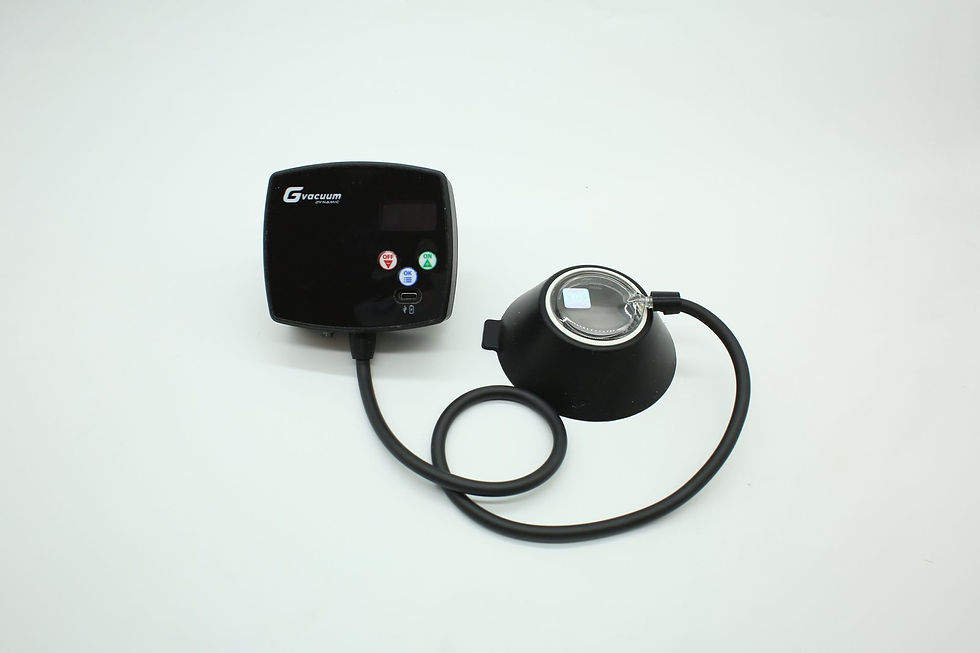
The Gvacuum Dynamic Lite's simple three-button interface and Quick Start feature are designed to let you begin a session without working through a complicated setup each time. Conveniences like these can support sticking with treatment, but the device itself doesn't replace the habit of regular use. Deciding in advance when in the day sessions will happen, and who will keep track of them (usually a parent, for younger patients), can prevent slip-ups later.
3. Understand What the Device Can — and Can't — Do
Unlike classic hand-pump-only models, the Gvacuum Dynamic Lite offers ten pressure levels, a live pressure and time display, target-pressure maintenance, and vacuum bell presets suited to different needs. These features are meant to let you track how long a session ran and what pressure was reached, without having to guess.
None of this shortens treatment time or guarantees a particular outcome — these are practical tools that make the experience more predictable and easier to monitor. Before buying, it's worth thinking about whether this level of feedback and control actually matches what you or the person being treated needs; someone just starting out may do better easing in with the simplest mode before exploring the rest.
4. Set a Realistic Timeline and Expectations
Visible change with vacuum bell therapy takes a different amount of time for everyone, and the literature doesn't point to one fixed duration or success rate — so expecting a guaranteed result from any device isn't realistic. The decision to buy should rest on "does this fit my (or my child's) daily routine" rather than "will this guarantee a result by a certain date."
Reviewing progress and adjusting the plan if needed is an ongoing process best done together with the specialist who recommended the device — the device supports that monitoring, it doesn't replace it. Setting expectations realistically from the start helps keep motivation up and reduces the chance of stopping treatment too early, which the literature points to as the real driver of outcomes [2].
5. Know How to Get One and What Support Looks Like
Before buying a device like the Gvacuum Dynamic Lite, knowing where and how you can get one — and what support is available when you're setting it up — removes a lot of post-purchase uncertainty.
Pectuslab can be reached directly for questions about both getting the device and using it; once it arrives, guidance is available on the basic steps and on choosing the preset that fits your needs. Asking in advance whether that support is remote or in person is a useful step, especially for anyone starting treatment for the first time.
Sourcing the device only through the manufacturer or an authorized channel is part of this too; a second-hand or unverified device can leave you without current guidance on presets, support, or warranty coverage. Settling this before you buy matters for both safety and ongoing support.
Frequently Asked Questions
How is the Gvacuum Dynamic Lite different from the manual Gvacuum vacuum bell?
On the manual model, pressure is set entirely by hand pump; on the Dynamic Lite, pressure and time are shown on a digital control unit and supported by target-pressure maintenance. Which model fits better depends on personal preference and the specialist's recommendation — both work on the same underlying vacuum bell principle.
Do I need to see a specialist before buying?
Yes — seeing a specialist directly to assess chest wall flexibility and the specifics of the deformity before starting is recommended. That evaluation clarifies both whether the device is a good fit and how to use it.
Is the device hard to learn for first-time users?
The simple three-button interface and Quick Start feature are designed to make the first sessions easier; even so, getting guidance from a specialist on choosing the right preset and increasing pressure gradually matters in the beginning.
Closing
The five things worth knowing before buying a Gvacuum Dynamic Lite come down to this: have a specialist confirm it's a good fit, get clear on your daily routine, understand the pressure and tracking features on offer, set a realistic timeline, and know the process for getting one and the support behind it. Thinking through these before you buy, rather than after, makes the whole treatment process more predictable.
Sources
1. Haecker FM, Mayr J. "The vacuum bell for treatment of pectus excavatum: an alternative to surgical correction?" European Journal of Cardio-Thoracic Surgery, 2006. academic.oup.com/ejcts/article/29/4/557/478894
2. Koo DC, et al. "Optimizing Efficacy of Vacuum Bell Therapy for Pectus Excavatum: Compliance is Key." Journal of Surgical Research, 2025. pubmed.ncbi.nlm.nih.gov/40088797
Sources
Contact Us
Have questions? Talk to our team about pectus treatment products and the right solution for you.